Why Earned Media Matters Most
In the PESO model, which includes Paid, Earned, Shared, and Owned media, each component plays a distinct role in shaping communication strategies. However, earned media stands out as the most important for public relations professionals because it builds credibility and third-party validation in a way that no other tactic can replicate. While Paid media offers control and visibility, and Owned and Shared media allow brands to craft and distribute their own narratives, Earned media delivers something far more valuable in today's societal perspective: authenticity. When a brand is covered by journalists, featured in reputable publications, or discussed organically by influencers, audiences perceive the message as more trustworthy because it is not directly controlled by the organization.
Research supports this emphasis on trust. According to Edelman’s Trust Barometer (2023), people are significantly more likely to believe information that comes from earned sources such as news outlets and independent experts rather than branded content. This reinforces the idea that earned media is not just another tactic, but a foundational driver of reputation and influence in modern public relations.
Case Study: 2023 PR Campaign
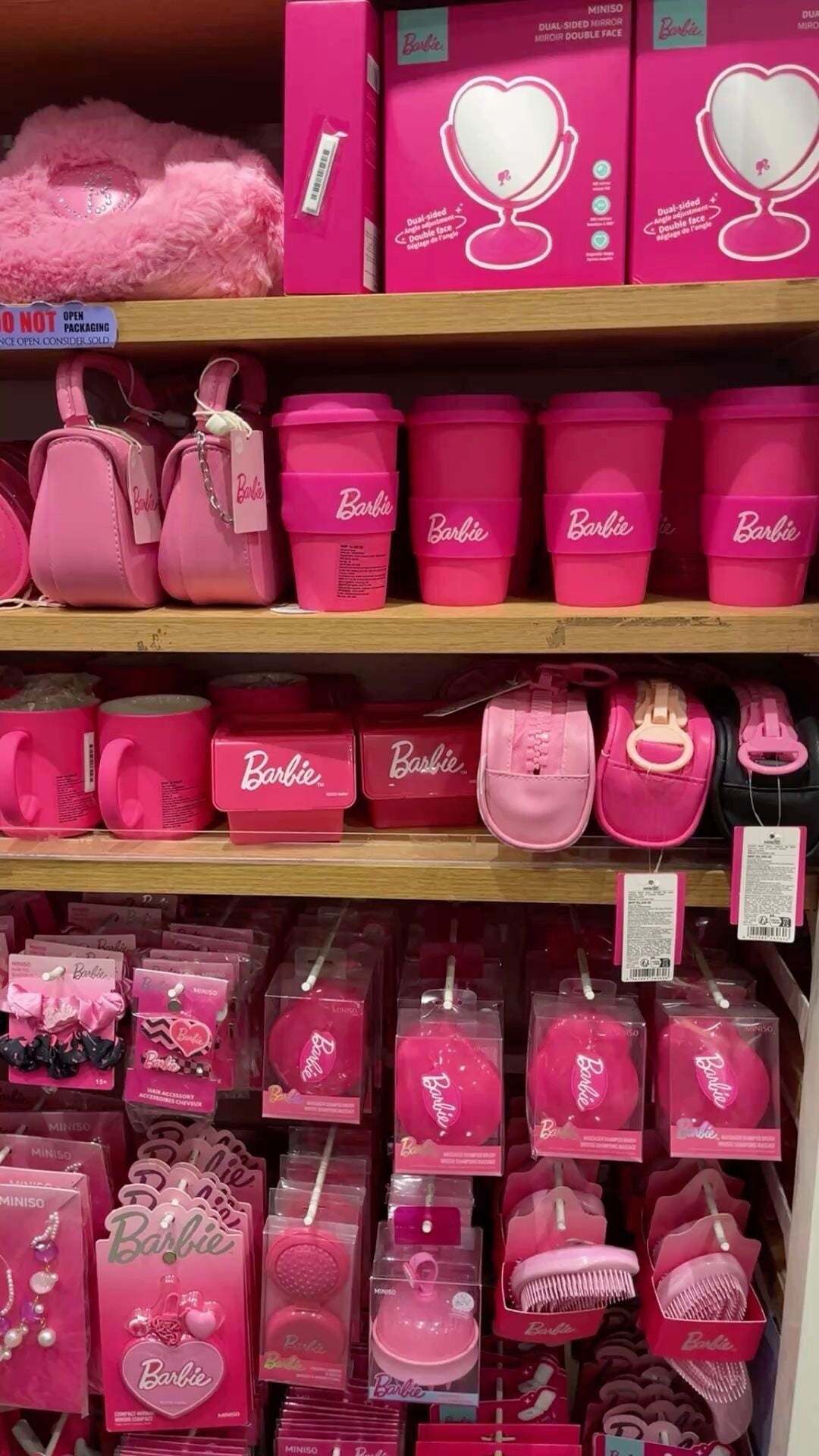
A strong example of the power of Earned media is the 2023 campaign for the Barbie movie produced by Warner Bros. While the campaign included Paid advertisements and extensive social media engagement, its success was largely driven by Earned media coverage. Major publications such as The New York Times and Variety extensively covered the film’s cultural impact, marketing strategy, and feminist themes. This widespread media attention created a level of buzz that extended far beyond what paid promotions alone could achieve.
The campaign generated billions of impressions globally, with media coverage amplifying conversations about gender, nostalgia, and consumer culture. According to Variety (2023), the film’s marketing strategy became a cultural phenomenon, largely due to organic media attention and editorial storytelling. This demonstrates how Earned media can elevate a campaign from simple promotion to cultural relevance.


The Strategic Advantage of Earned Media
Earned media is especially powerful because it integrates naturally with the other elements of the PESO model. For example, Paid campaigns can spark initial awareness, but Earned coverage validates that awareness. Shared media amplifies the conversation, and Owned platforms provide depth and consistency. Without Earned media, however, the entire system risks appearing self-serving or overly promotional.
Additionally, Earned media often has a longer lifespan. News articles, reviews, and features remain searchable and continue to influence audiences over time. This creates sustained visibility and reinforces brand reputation long after a campaign ends.
While all four elements of the PESO model are necessary for a comprehensive PR strategy, Earned media is the most critical because it ultimately builds cultural impact. The success of the Barbie campaign illustrates how powerful media coverage can transform a brand message into a widespread societal conversation. For PR professionals, prioritizing Earned media is not just strategic, it is essential for long-term reputation and influence.
Watch my video
References (APA Format)
Edelman. (2023).
2023 Edelman Trust Barometer. https://www.edelman.com/trust/2023/trust-barometer
Lang, B. (2023). ‘Barbie’ marketing turned the movie into a cultural event. Variety. https://variety.com
Mahoney, J. (2022). The role of earned media in modern public relations. PR News. https://www.prnewsonline.com
The New York Times. (2023). How Barbie became more than a movie. https://www.nytimes.com
Create Your Own Website With Webador